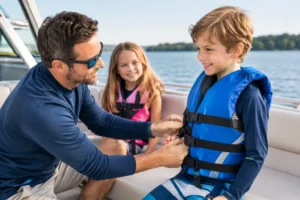
A little breeze, a favorite drink, dolphins in the distance, and the Emerald Coast stretching ahead should be the story of your boat day – not a queasy stomach. Knowing how to avoid seasickness boating can make the difference between merely getting through a charter and relaxing into a memory your whole group will talk about for years.
The good news is that motion sickness is often manageable with smart preparation and a few simple choices once you are on the water. Whether you are bringing young children, planning a sunset date, celebrating a birthday, or joining a family outing, these practical steps can help you feel comfortable from departure through your return to the dock.
Why seasickness happens on a boat
Seasickness happens when your brain receives mixed signals about motion. Your inner ear senses the boat moving, while your eyes may be fixed on a phone, the cabin, or another stationary object. That mismatch can lead to nausea, sweating, dizziness, headache, and fatigue.
It is not a question of toughness or boating experience. A person who travels well by car or plane can still feel off on the water, especially in choppier conditions, after a poor night’s sleep, or with an empty stomach. The goal is not to wait and see whether you feel sick. It is to start your day in a way that gives your body the best chance to adjust.
How to avoid seasickness boating before you leave the dock
Your best prevention plan begins well before boarding. Get a full night’s sleep if possible. Tiredness can make motion feel more intense, and it lowers your tolerance for heat, dehydration, and stress.
Eat a light, familiar meal before your charter. Think toast, eggs, oatmeal, fruit, rice, or a simple sandwich. Going out completely hungry can worsen nausea, but a large greasy meal can do the same. Keep it easy, and avoid trying a rich brunch or spicy food right before boarding.
Hydration matters, especially under Florida sunshine. Drink water throughout the morning, but do not overdo it all at once. Alcohol is another consideration. If you are prone to motion sickness, save the celebratory drinks for later in the trip, have water alongside them, and never drink on an empty stomach. Too much alcohol and motion are not a winning combination.
If you have a history of significant motion sickness, talk with your doctor or pharmacist before your outing about prevention options. Some guests use over-the-counter motion sickness medicines, prescription patches, or other remedies. These can be effective for some people, but they can also cause drowsiness or have interactions with other medications. Read labels carefully and ask a medical professional what is appropriate for you, particularly for children, pregnant guests, or anyone with existing health concerns.
Choose the right spot and keep your eyes outside
Once underway, head for fresh air and look toward the horizon. Watching a stable, distant point gives your eyes a visual reference that better matches what your inner ear feels. It sounds almost too simple, but it is one of the most reliable on-water habits.
The most stable area of a boat is generally near the center, where there is less up-and-down motion than at the bow or stern. Your captain and crew can help you find a comfortable place based on the vessel, weather, and your group’s needs. If you start to feel unsettled, do not stay tucked away in an enclosed area hoping it passes. Move into the open air, sit facing forward if possible, and focus on the horizon.
This is also the day to put down the phone. Reading texts, scrolling social media, editing photos, or studying a map can bring on symptoms quickly. Take the photos, then enjoy the view with your own eyes. Pensacola Beach has enough natural scenery to keep every member of the group happily occupied.
Use small comforts before symptoms build
Seasickness can come on gradually, and acting early is easier than trying to recover after you feel miserable. If you notice warmth, yawning, a mild headache, extra saliva, or that first uneasy feeling in your stomach, tell someone right away. A responsive captain can offer practical guidance and adjust plans when conditions allow.
Fresh air, cool water, shade, and a calm place to sit can all help. Ginger candies, ginger chews, or plain crackers are comforting for some guests. Acupressure wristbands are another popular option. Results vary from person to person, so think of these as supportive tools rather than guaranteed cures.
Wear clothing that lets you stay comfortable in changing conditions. A light layer can help if a sea breeze picks up, while sunglasses and a hat reduce squinting and heat exposure. Choose non-slip shoes that keep you steady as you move around the boat. Feeling physically secure often helps people relax, too.
Let the captain help shape a comfortable day
Weather and water conditions are a real part of boating, and no responsible charter company should pretend every day feels exactly the same. A gentle morning cruise can feel very different from a breezier afternoon ride. Route, speed, time of day, and the protected or open-water portions of an itinerary can all affect how much motion guests feel.
That is where booking a private charter has a meaningful advantage. You are not simply one seat on a fixed, crowded route. Your captain can use local knowledge and make thoughtful choices for the conditions, while keeping your group’s comfort and safety in mind. On a private outing, it is also easier to slow down, take a break, spend time in calmer water, or adjust the flow of the experience when appropriate.
At Pensacola Beach Boat Charters, the focus is on creating a relaxed, personal day on the water, whether you are planning a dolphin watch, sandbar outing, sunset cruise, special celebration, or a meaningful family gathering. Let the captain know before departure if anyone in your party is concerned about motion sickness. That simple conversation helps set realistic expectations and gives your crew an opportunity to recommend the most comfortable approach.
Consider timing when booking your charter
If you are especially sensitive to motion, ask about conditions and timing when you book. Morning trips can sometimes offer smoother water before afternoon winds build, though conditions can change and there are no promises on any particular day. A shorter cruise may also be the better starting point for a first-time boater or a child who is unsure how they will feel.
It also helps to choose an experience that matches your group’s comfort level. A scenic cruise in protected waters may be ideal for a relaxed first outing, while a longer trip with more open-water travel can be wonderful for guests who already know they enjoy boating. The right plan is not about being adventurous for the sake of it. It is about giving everyone room to enjoy the paradise around them.
What to do if someone gets seasick anyway
Even with great preparation, seasickness can still happen. Keep the moment low-key. Encourage the person to get fresh air, look toward the horizon, sip water, and sit near the center of the boat. Avoid strong smells, heavy food, screens, and sudden movement.
Most importantly, speak up. There is no prize for quietly feeling awful. Captains have seen it before, and a professional crew would rather know early so they can help. If symptoms are severe, persistent, or accompanied by chest pain, confusion, fainting, or another serious concern, seek medical attention promptly.
A comfortable charter is built from small details: a good breakfast, enough water, the right seat, a clear view of the horizon, and a captain who understands the local waters. Plan those details into your outing, then leave room for the best part – laughing with your people, watching the coastline glow, and making the kind of Emerald Coast memory that feels easy from start to finish. When you are ready for a private day tailored to your group, book your charter with Pensacola Beach Boat Charters and let your perfect day on the water begin.