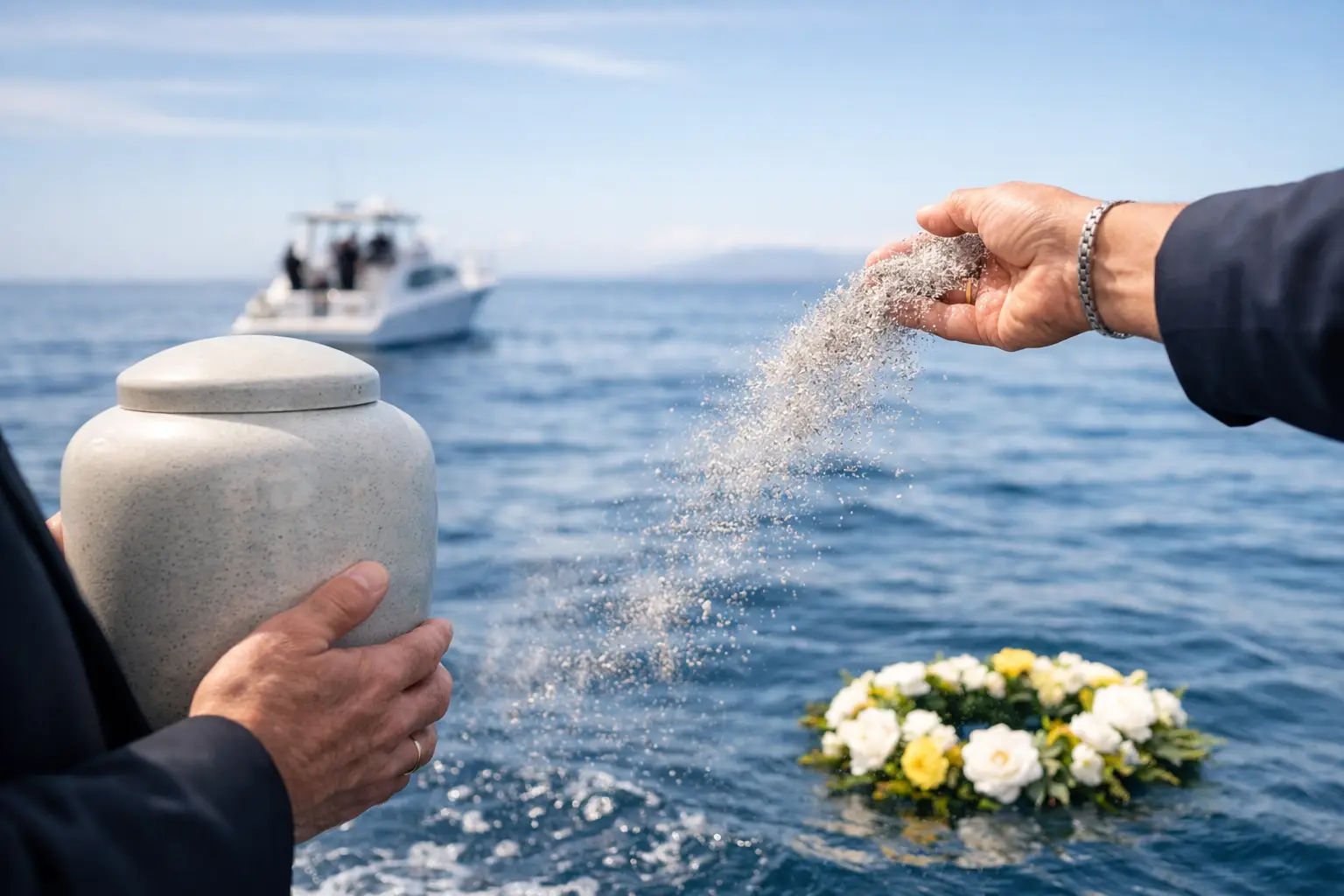
Some families know exactly what they want. Others start with one simple thought: we want this to feel peaceful, private, and right. That is usually where how to plan ashes at sea begins – not with paperwork or logistics, but with the desire to create a meaningful moment on the water.
A memorial at sea can be beautifully simple, but the best experiences are still thoughtfully planned. When the details are handled well, families can stay present with each other instead of worrying about rules, timing, or what happens next. That matters, especially on a day that already carries a lot of emotion.
How to plan ashes at sea without added stress
The first step is deciding what kind of experience you want. Some families picture a quiet private charter with just a few close relatives. Others want a larger gathering with music, flowers, shared stories, and time to cruise before or after the ceremony. Neither approach is better. It depends on your family, your loved one, and the tone that feels most fitting.
Privacy is often the biggest factor. A private boat gives you space to grieve, reflect, pray, talk, or sit quietly without outside distractions. For many people, that alone changes the experience from a transaction into something far more personal.
It also helps to think about pace. A rushed ceremony can feel unfinished. A charter with enough time for boarding, settling in, traveling to the chosen area, holding the memorial, and returning at an unhurried pace usually creates a much gentler experience.
Start with the legal and practical details
Before planning readings or flowers, make sure the scattering itself is allowed and handled properly. In the United States, cremated remains scattered at sea are generally regulated by federal environmental rules. Ashes are typically released offshore rather than close to the beach or shoreline. Containers matter too. If anything other than the ashes will go into the water, it usually needs to be biodegradable and environmentally appropriate.
This is where an experienced charter company becomes especially valuable. Families often assume they need to figure out every regulation alone, but a captain familiar with ashes-at-sea services can explain what is permitted, what should stay onboard, and what options fit local conditions. That guidance removes a lot of uncertainty.
Weather is another practical piece that deserves respect. Calm water and clear skies can make the ceremony feel serene, but marine conditions can shift. If someone in your group is elderly, prone to motion sickness, or anxious about boating, ask about the smoothest time of day and the best season for comfort. The right timing can make a meaningful difference.
Choose the right charter for your group
Not every boat is a good fit for a memorial service. Comfort matters. Stability matters. Easy boarding matters. If your group includes older adults, children, or anyone with mobility concerns, you want a vessel that feels safe and accommodating from the moment they step aboard.
You should also ask about seating, shade, restroom access, and how private the experience will be. These details may seem small at first, but on an emotional day, they shape how supported everyone feels. A well-prepared crew helps families relax into the moment instead of managing avoidable discomfort.
For some groups, a shorter charter is enough. For others, extra time is worth it because the day is about more than the scattering itself. Families sometimes want time to share a toast, play a meaningful song, look at the coastline, or simply breathe after the ceremony. A memorial at sea does not have to feel strictly formal. It can feel graceful, warm, and deeply personal.
Decide what the ceremony should feel like
One of the most helpful parts of planning is deciding whether you want structure or spontaneity. Some families prefer a clear order of events: a welcome, a prayer, a reading, the release of ashes, a moment of silence, then a final blessing or song. Others want to let the moment unfold naturally.
If you are unsure, a simple structure is usually easier. Emotion can make it hard to think clearly in the moment, and even a loose outline gives everyone something to lean on. It can be as straightforward as a few words from a family member, the scattering, and a quiet pause while the boat drifts.
Personal touches that feel natural
The most memorable ceremonies are usually the most personal, not the most elaborate. That might mean reading a favorite poem, sharing a short story, bringing the person’s favorite flowers if they are appropriate for the setting, or choosing music that meant something to them.
It may also mean keeping it very minimal. Not every loved one would have wanted a formal service. For some families, the right tribute is a peaceful boat ride at sunset and a few honest words spoken from the heart.
Photos and video are another choice worth discussing in advance. Some families want the moment documented. Others prefer no cameras at all. It helps to decide beforehand so no one is making that call while emotions are high.
Think through timing, guests, and comfort
Guest count affects almost every part of the day, from boat size to pacing. A small immediate-family gathering often feels intimate and quiet. A larger group can be beautiful too, but it usually requires more coordination and a little more intention around who will speak, where everyone will sit, and how the ceremony will flow.
Time of day matters as well. Morning trips can offer calmer water and a quieter atmosphere. Late afternoon or sunset can feel especially moving, with softer light and a more reflective mood. There is no universal best choice. The right option depends on weather, group needs, and the feeling you want the experience to have.
If anyone in your party has never been on a boat, prepare them gently. Suggest comfortable clothing, sunglasses, sunscreen, and motion sickness precautions if needed. On a day like this, comfort is not a luxury. It is part of making the experience feel steady and supported.
How to plan ashes at sea for a peaceful experience
If your goal is peace, simplicity usually wins. Give yourself more time than you think you need. Choose a captain and charter team that communicate clearly. Keep the ceremony personal rather than performative. And leave room for silence.
Families sometimes worry they need to create the perfect words or a highly polished event. They do not. What people remember most is how the day felt. Calm water, respectful service, privacy, and the chance to honor someone in a beautiful setting often matter more than any script.
That said, if your loved one enjoyed celebration, it is okay for the day to include warmth and even lightness. A life well lived can be remembered with tears, laughter, stories, and sunshine. Memorials at sea are deeply emotional, but they can also carry a sense of release and gratitude.
Questions to ask before booking
Before you reserve a charter, ask how ashes-at-sea ceremonies are typically handled. You want to know whether the captain has experience with memorial services, how much privacy the trip provides, what happens if weather changes, and whether the crew can help with timing and ceremony flow.
It is also smart to ask what is included onboard. Some families want water and soft drinks, comfortable seating, and a more hospitality-driven setting because those touches make the day easier on guests. Others want a stripped-down experience focused only on the memorial. It depends on your priorities.
If you are planning in the Pensacola Beach area, working with a private charter service that understands both the local waters and the emotional weight of the occasion can make all the difference. Pensacola Beach Boat Charters is one example of the kind of service families often look for when they want compassion, professionalism, and a comfortable setting all in one experience.
Let the water do some of the work
There is something about being offshore that changes the mood. The noise falls away. People speak more softly. The horizon creates space that a chapel or crowded venue cannot. For many families, that is exactly why this kind of memorial feels so right.
If you are planning one now, give yourself permission to keep it simple, ask for help, and choose comfort. The best ashes-at-sea ceremonies are not the most complicated ones. They are the ones where your family can step onboard, exhale, and feel that they are in the right place to say goodbye.