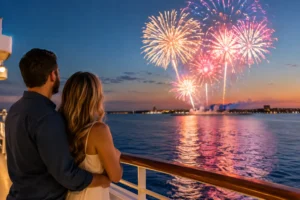

Some families picture a quiet moment with just a few words and the sound of the water. Others want music, flowers, prayers, or a shared toast before saying goodbye. If you are wondering what happens during ash scattering, the honest answer is that the ceremony can be simple and peaceful or more personalized, but the best experience always feels respectful, organized, and calm.
For many people, ash scattering at sea is about more than logistics. It is a final act of love. That means families usually want to know both the emotional side and the practical side – what the day feels like, who does what, and how to make sure everything is handled properly.
What happens during ash scattering at sea
Most ash scattering ceremonies begin long before the boat leaves the dock. Families usually choose a date, decide who will attend, and talk through the tone they want for the service. Some want a quiet private charter with immediate family. Others invite a wider group so everyone can share the moment together.
On the day of the ceremony, guests arrive, meet the captain or charter host, and get settled on board. A professional crew will usually review basic safety guidance first, because even a deeply personal trip still needs to feel secure and well managed. That part may sound formal, but it often brings comfort. People can relax more when they know the details are taken care of.
Once underway, the boat heads to the planned scattering area. In a Gulf Coast setting, this often means moving far enough offshore to meet legal requirements while still giving the family a beautiful, peaceful backdrop. During the ride out, some families talk and reminisce. Others prefer silence. There is no single right way to fill that time.
When the boat reaches the chosen location, the captain will typically slow or stop based on water conditions, wind, and the safest setup for the group. Then the ceremony begins in whatever form the family has chosen. It may include a prayer, a favorite poem, a few personal remarks, a moment of silence, or music played softly on board.
The ashes are then released with care. Depending on the container and the conditions, this can be done by one person, several family members taking turns, or with the help of the crew. Some families also release flowers, petals, or a small biodegradable wreath if permitted. Afterward, many groups stay in place for a few quiet minutes before heading back in.
The practical side of what happens during ash scattering
A meaningful ceremony feels effortless when it is planned well, but there are practical details behind that calm experience.
First, there are legal and environmental rules. In the United States, cremated remains scattered at sea are generally required to be released at least three nautical miles from shore. Non-biodegradable containers cannot simply be thrown overboard. This matters because families should not have to figure it out on the dock while emotions are already high.
Second, weather and water conditions matter more than many people expect. A calm day creates a very different experience than a windy one. Wind direction affects how ashes are released, where guests should stand, and whether the captain may recommend a different angle or method. This is one reason a private charter is often a better fit for memorials than a crowded public trip. The crew can slow down, reposition, and give the moment the care it deserves.
Third, the type of urn or container matters. Some are designed for scattering, while others are meant for transport only. If a family brings a container that is awkward to pour, the crew may need to help avoid a difficult or messy moment. It is not something most people think about until they are there, and by then the emotional weight is already heavy enough.
What the ceremony usually feels like
There is often a surprising mix of emotions during ash scattering. People expect sadness, of course, but many families also feel relief, gratitude, closeness, and even joy. Being on the water can soften the heaviness. The horizon opens things up. The ceremony feels less confined and more connected to nature.
That said, emotions do not move in a straight line. One person may want to speak at length, while another cannot get a word out. Children may ask practical questions at unexpected moments. Some family members find comfort in structure, while others need room for spontaneity. A good captain and charter team understand that this is not a scripted event. It is a personal one.
This is also why timing matters. Rushing the moment can feel abrupt. But stretching it too long can become uncomfortable, especially for older guests, young children, or anyone uneasy on the water. The best ceremonies usually have enough structure to feel intentional and enough flexibility to feel natural.
How families personalize the experience
No two memorial charters are exactly alike. Some are deeply traditional, while others are simple and modern. Personal touches often make the ceremony feel more complete.
A family might read a letter, play a favorite song, bring the loved one’s preferred flowers, or share stories on the ride out. Some choose a sunset departure because the light feels gentle and memorable. Others prefer a morning charter when the water is calmer and the atmosphere is quiet.
There are trade-offs. A larger group can feel supportive and communal, but it may be harder to create intimacy. A very small group can be peaceful and private, but some relatives may feel left out. Even details like whether to include food and drinks afterward depend on the family. For some, that hospitality feels healing. For others, a more minimal ceremony is the right choice.
In Pensacola Beach and along the Florida Gulf Coast, families often appreciate the beauty of the setting as part of the memorial itself. The water, sky, and open space can create a sense of peace that is hard to replicate on land.
Preparing for ash scattering without added stress
The easiest memorial ceremonies are usually the ones where the family does not have to manage too many moving parts themselves. That starts with asking a few clear questions ahead of time.
You will want to know how long the charter lasts, how many guests the boat can comfortably hold, what happens if weather shifts, and whether the crew has handled ash scattering before. Experience matters here. A captain who understands both boating conditions and the emotional tone of memorial services can guide the day with a steady hand.
It also helps to think through small details in advance. Who will carry the urn? Who wants to speak? Will anyone need extra help boarding? Is anyone likely to be sensitive to motion on the water? These are not dramatic questions, but answering them ahead of time can make the day feel smoother and more peaceful.
Families should also dress for the conditions rather than the occasion alone. Comfortable shoes, light layers, sunglasses, and a respectful but practical outfit usually work best. For many guests, that balance helps them stay present instead of distracted.
Why private ash scattering charters feel more personal
Memorial services are not like ordinary sightseeing trips. Families need privacy, flexibility, and space to feel what they feel. A private charter creates that space.
Instead of trying to fit a meaningful ceremony into someone else’s schedule, the trip can move at the family’s pace. There is room for silence. There is room for tears. There is room for a final story that takes longer than expected.
That is where a hospitality-focused charter makes a real difference. Comfort matters. Professionalism matters. Small touches matter. When the setting is cared for and the crew is attentive, families can focus on the person they are honoring instead of worrying about the process.
At Pensacola Beach Boat Charters, memorial trips are handled with the same warmth, care, and attention that define every special occasion on the water, while honoring the unique weight of the moment. If you are planning an ashes-at-sea service and want a private, respectful experience, book a charter and ask about memorial options through our booking page.
What happens during ash scattering is both simple and profound. A boat leaves shore, loved ones gather, words are spoken or left unspoken, and someone is entrusted back to the water. When the day is handled with care, families often leave feeling that something hard became something beautiful.